


This Book is Out of Stock!
by
English






Paperback
₹4211
₹5569
24.38% OFF
(All inclusive*)
Delivery Options
*COD & Shipping Charges may apply on certain items.
Review final details at checkout.
Looking to place a bulk order? SUBMIT DETAILS

Piracy-free

Assured Quality

Secure Transactions
About The Book
Description
Author
Shoutouts
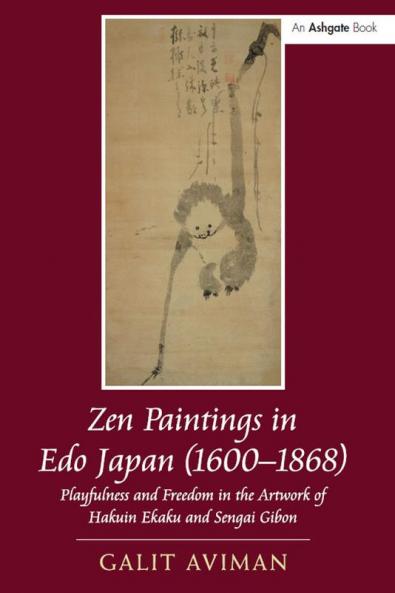
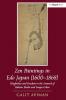
In Zen Buddhism the concept of freedom is of profound importance. And yet until now there has been no in-depth study of the manifestation of this liberated attitude in the lives and artwork of Edo period Zen monk-painters. This book explores the playfulness and free-spirited attitude reflected in the artwork of two prominent Japanese Zen monk-painters: Hakuin Ekaku (1685-1768) and Sengai Gibon (1750-1837). The free attitude emanating from their paintings is one of the qualities which distinguish Edo period Zen paintings from those of earlier periods. These paintings are part of a Zen ink painting tradition that began following the importation of Zen Buddhism from China at the beginning of the Kamakura period (1185-1333). In this study Aviman elaborates on the nature of this particular artistic expression and identifies its sources focusing on the lives of the monk-painters and their artwork. The author applies a multifaceted approach combining a holistic analysis of the paintings i.e. as interrelated combination of text and image with a contextualization of the works within the specific historical art historical cultural social and political environments in which they were created.
Piracy-free
Assured Quality
Secure Transactions
*COD & Shipping Charges may apply on certain items.
Review final details at checkout.
₹4211
₹5569
24% OFF
Paperback
Out Of Stock
All inclusive*
Details
ISBN 13
9781138548893
Publication Date
-25-04-2018
Pages
-180
Weight
-314 grams
Dimensions
-156x234x9.91 mm
