




This Book is Out of Stock!
by



Hardback
₹12695
₹15998
20.65% OFF
(All inclusive*)
Delivery Options
*COD & Shipping Charges may apply on certain items.
Review final details at checkout.
Looking to place a bulk order? SUBMIT DETAILS

Piracy-free

Assured Quality

Secure Transactions
About The Book
Description
Author
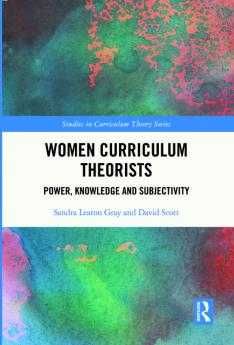
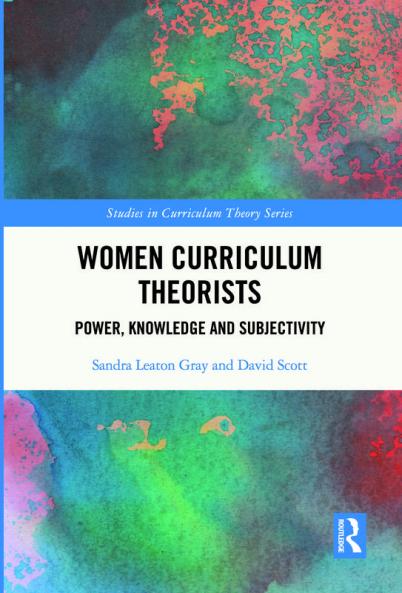
<p>Most published bodies of work relating to curriculum theory focus exclusively or almost exclusively on the contributions of men. This is not representative of influences on educational practices as a whole and it is certainly not representative of educational theory generally as women have played a significant role in framing the theory and practice of education in the past. Their contribution is at least equal to that of men even though it may not immediately appear as visible on library shelves or lecture lists. This book addresses this egregious deficit by asking readers to engage in an intellectual conversation about the nature of women’s curriculum theory as well as its impact on society and thought in general. It does this by examining the work of twelve women curriculum theorists: Maxine Greene Susan Haack Julia Kristeva Martha Nussbaum Nel Noddings Jane Roland Martin Marie Battiste Dorothea Beale Susan Isaacs Maria Montessori Mary Warnock and Lucy Diggs Slowe.</p><p>The book is not an encyclopaedia nor is it a history book. It aims to bring to the reader’s attention through a semantic rendition of the world those seminal relationships that exist between the three meta-concepts that are addressed in the work feminism learning and curriculum. It will appeal to scholars and researchers with interests in curriculum and the philosophy and sociology of education.</p>
Piracy-free
Assured Quality
Secure Transactions
*COD & Shipping Charges may apply on certain items.
Review final details at checkout.
₹12695
₹15998
20% OFF
Hardback
Out Of Stock
All inclusive*
Details
ISBN 13
9781032258973
Publication Date
-21-04-2023
Pages
-252
Weight
-434 grams
Dimensions
-152x229x14.95 mm
