




This Book is Out of Stock!
by



Paperback
₹3588
₹4502
20.3% OFF
(All inclusive*)
Delivery Options
*COD & Shipping Charges may apply on certain items.
Review final details at checkout.
Looking to place a bulk order? SUBMIT DETAILS

Piracy-free

Assured Quality

Secure Transactions
About The Book
Description
Author
Shoutouts
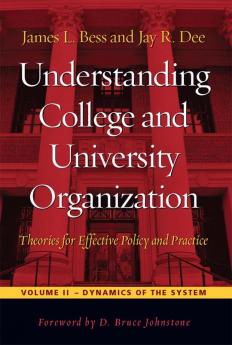
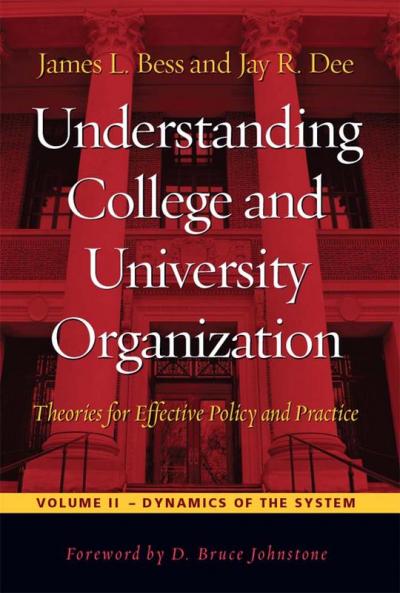
<p>Now available in paperback this two-volume work is intended to help readers develop powerful new ways of thinking about organizational principles and apply them to policy-making and management in colleges and universities. The book is written with two audiences in mind: administrative and faculty leaders in institutions of higher learning and students (both doctoral and Master's degree) studying to become upper-level administrators leaders and policy makers in higher education. It systematically presents a range of theories that can be applied to many of the difficult management situations that college and university leaders encounter. It provides them with the theoretical background to knowledgeably evaluate the many new ideas that emerge in the current literature and in workshops and conferences. The purpose is to help leaders develop their own effective management style and approaches and feel confident that their actions are informed by appropriate theory and knowledge of the latest research in the field. Without theory organizational leaders are forced to treat each problem that they encounter as unique–as if it were a first-time occurrence. While leaders may have some experience with a particular issue their solutions are usually not informed by the accumulated wisdom of others who have already encountered and resolved similar situations. The authors approach the theory of the organization and administration of colleges and universities from three quite different perspectives or paradigms each relying on different assumptions about the “reality” of organizational life in colleges and universities. The positivist paradigm–primarily an omnibus systems theory–integrates the chapters into a comprehensive yet easily accessible whole. Social constructionism the second paradigm is introduced in each chapter to illuminate the difficulty of seeking and finding meaningful consensus on problems and policies while also addressing important ethical issues that tend to be overlooked in leadership thought and action. The third paradigm postmodernism draws attention to difficulties of logic and communication under the constraints of strictly linear thinking that “authorities” at all levels attempt to impose on organizations. This “multiple paradigm” approach enables readers to become more cognizant of their own assumptions how they may differ from those of others in their organization and how those differences may both create difficulties in resolving problems and expand the range of alternatives considered in organizational decision making. The book offers readers the tools to balance the real-world needs to succeed in today’s challenging and competitive environment with the social and ethical aspirations of all its stakeholders and society at large. The authors’ aim is to elucidate how administration can be made more efficient and effective through rational decision-making while also respecting humanistic values. This approach highlights a range of phenomena that require attention if the institution is ultimately to be considered successful. Also available: Volume 1: The State of the System Two volume set</p>
Piracy-free
Assured Quality
Secure Transactions
*COD & Shipping Charges may apply on certain items.
Review final details at checkout.
₹3588
₹4502
20% OFF
Paperback
Out Of Stock
All inclusive*
Details
ISBN 13
9781579227692
Publication Date
-28-02-2012
Pages
-504
Weight
-676 grams
Dimensions
-152x229x26.49 mm
