




This Book is Out of Stock!
by
English



Paperback
₹3996
₹4976
19.69% OFF
(All inclusive*)
Delivery Options
*COD & Shipping Charges may apply on certain items.
Review final details at checkout.
Looking to place a bulk order? SUBMIT DETAILS

Piracy-free

Assured Quality

Secure Transactions
About The Book
Description
Author
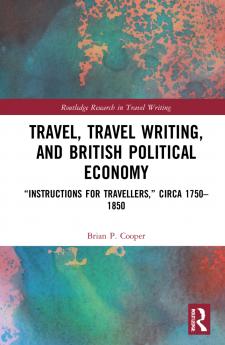
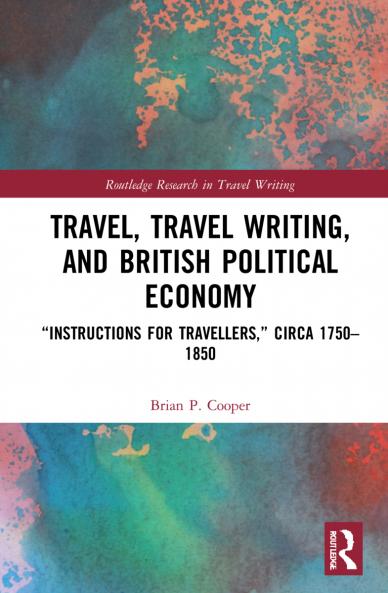
<p>The book draws on the history of economics literary theory and the history of science to explore how European travelers like Alexander von Humboldt and their readers circa 1750–1850 adapted the work of British political economists such as Adam Smith to help organize their observations and in turn how political economists used travelers’ observations in their own analyses. </p><p>Cooper examines journals letters books art and critical reviews to cast in sharp relief questions raised about political economy by contemporaries over the status of facts and evidence whether its principles admitted of universal application and the determination of wealth value and happiness in different societies. Travelers citing T.R. Malthus’s population principle blurred the gendered boundaries between domestic economy and British political economy as embodied in the idealized subjects: domestic woman and economic man. </p><p>The book opens new realms in the histories of science in its analyses of debates about gender in social scientific observation: Maria Edgeworth Maria Graham and Harriet Martineau observe a role associated with women and methodically interpret what they observe an act reserved in theory by men. </p>
Piracy-free
Assured Quality
Secure Transactions
*COD & Shipping Charges may apply on certain items.
Review final details at checkout.
₹3996
₹4976
19% OFF
Paperback
Out Of Stock
All inclusive*
Details
ISBN 13
9781032125770
Publication Date
-31-05-2023
Pages
-374
Weight
-506 grams
Dimensions
-151.89x229.11x19.81 mm
