




This Book is Out of Stock!
by
English



Hardback
₹13653
₹17183
20.54% OFF
(All inclusive*)
Delivery Options
*COD & Shipping Charges may apply on certain items.
Review final details at checkout.
Looking to place a bulk order? SUBMIT DETAILS

Piracy-free

Assured Quality

Secure Transactions
About The Book
Description
Author
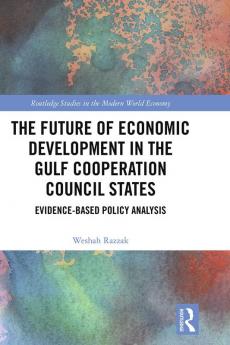
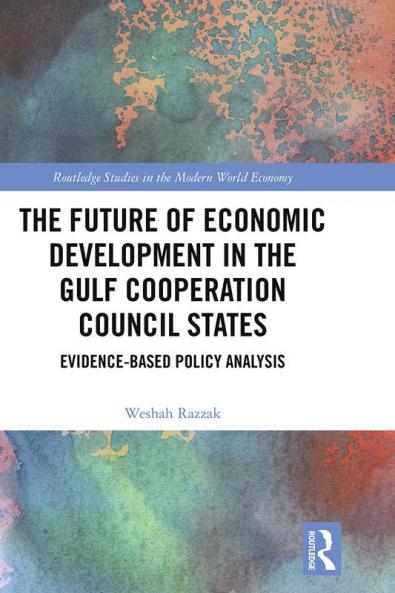
<p>The Gulf Cooperation Council (GCC) countries own 30 percent of the world’s proven oil reserves and largely depend on oil for their income. Yet the GCC faces serious challenges. The global demand for oil is expected to continue declining and the average long-run oil price could become lower than its historical average in the future. This book is a research-based structural macroeconomic analysis providing evidence-based and future-facing policy recommendations for GCC governments.</p><p>First it analyzes historical data to explain the macroeconomic performance and economic policies of the GCC countries from 1970 to 2019. Then it presents ten-year dynamic stochastic projections from 2020 to 2030. The book examines debt sustainability and optimal fiscal policies – i.e. government spending and taxation. It also analyses structural issues such as savings and productivity from an institutional perspective taking into account education the labor market and pension funds as well as other factors that have a close effect on economic performance. The book is comprehensive and thorough it relies on extensive econometric analyses including rigorous time series analysis. The author uses both calibration of theoretical models and estimation facilitating projections for the next decade of key economic variables under different policy scenarios. The book also assesses what the future of the GCC economies will look like if climate change and the COVID-19 pandemic continue to adversely affect oil supply and demand and the price of oil given their current policies and institutions.</p><p>As well as scholars and researchers of economics and finance the book will engage policymakers in central banks treasury departments planning councils research institutes and think tanks.</p>
Piracy-free
Assured Quality
Secure Transactions
*COD & Shipping Charges may apply on certain items.
Review final details at checkout.
₹13653
₹17183
20% OFF
Hardback
Out Of Stock
All inclusive*
Details
ISBN 13
9781032264332
Publication Date
-22-07-2022
Pages
-180
Weight
-357 grams
Dimensions
-156x234x11.25 mm
