




This Book is Out of Stock!
by






Paperback
₹3808
₹4739
19.65% OFF
(All inclusive*)
Delivery Options
*COD & Shipping Charges may apply on certain items.
Review final details at checkout.
Looking to place a bulk order? SUBMIT DETAILS

Piracy-free

Assured Quality

Secure Transactions
About The Book
Description
Author
Shoutouts
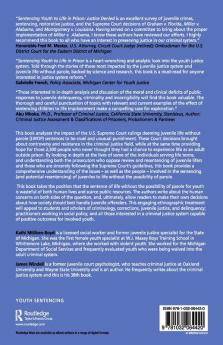
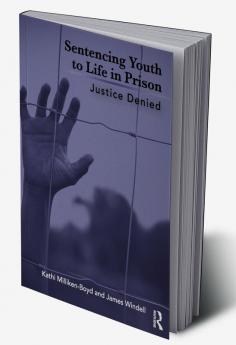
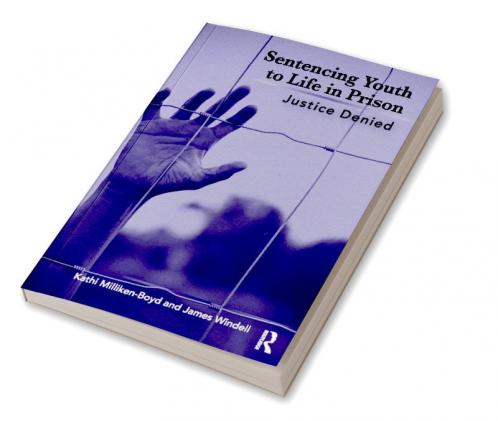
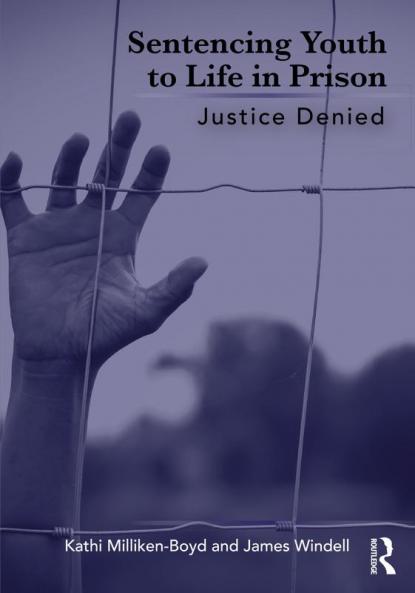
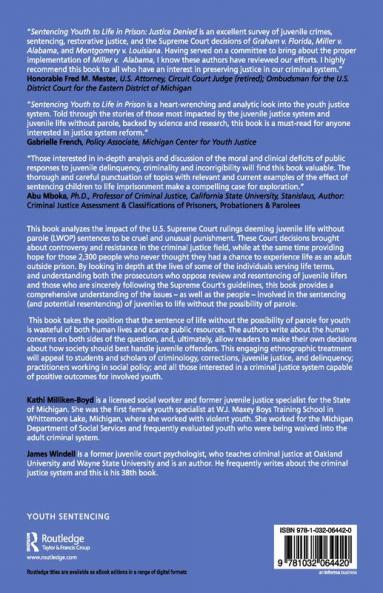
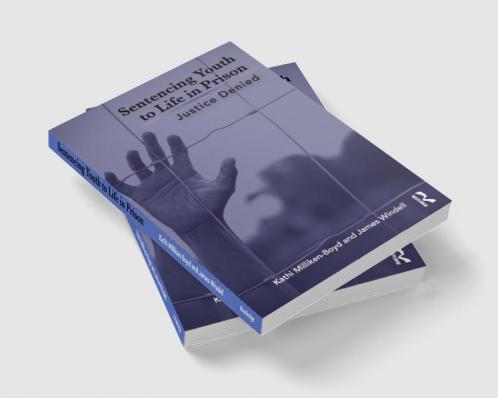
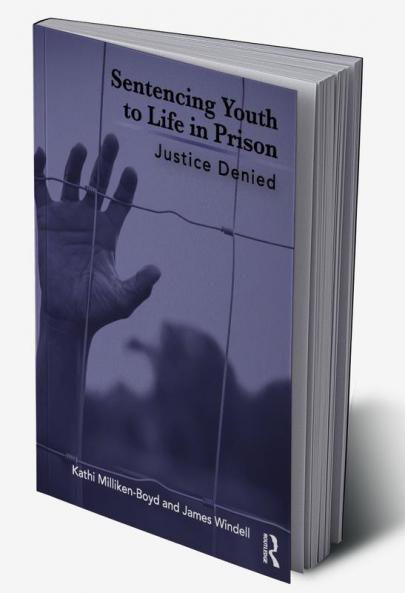
<p>This book analyzes the impact of the U.S. Supreme Court rulings deeming juvenile life without parole (LWOP) sentences to be cruel and unusual punishment. These Court decisions brought about controversy and resistance in the criminal justice field while at the same time providing hope for those 2300 people who never thought they had a chance to experience life as an adult outside prison. By looking in depth at the lives of some of the individuals serving life terms and understanding both the prosecutors who oppose review and resentencing of juvenile lifers and those who are sincerely following the Supreme Court’s guidelines this book provides a comprehensive understanding of the issues – as well as the people – involved in the sentencing (and potential resentencing) of juveniles to life without the possibility of parole.</p><p>The authors provide unique perceptive and straightforward profiles on some of the prisoners who were ultimately sentenced to LWOP after being involved in criminal offenses committed before their 18th birthdays. The book poignantly features the experiences of young people who did not commit a murder yet were still sentenced to life terms but also delves into the perspectives of the families of victims of juvenile offenders prosecutors on both sides of the issue psychologists who have interviewed many of the juvenile lifers and advocates for change in the way juveniles are treated by the criminal justice system. </p><p>The decisions in <i>Miller v. Alabama </i>and <i>Montgomery v. Louisiana </i>clearly demonstrated that the Court’s view of juveniles evolved over decades to reflect advances in our understanding of the unique characteristics of youth and their involvement in juvenile crimes. This book takes the position that the sentence of life without the possibility of parole for youth is wasteful of both human lives and scarce public resources. The authors write about the human concerns on both sides of the question and ultimately allow readers to make their own decisions about how society should best handle juvenile offenders. This engaging ethnographic treatment will appeal to students and scholars of criminology corrections juvenile justice and delinquency; practitioners working in social policy; and all those interested in a criminal justice system capable of positive outcomes for involved youth. </p>
Piracy-free
Assured Quality
Secure Transactions
*COD & Shipping Charges may apply on certain items.
Review final details at checkout.
₹3808
₹4739
19% OFF
Paperback
Out Of Stock
All inclusive*
Details
ISBN 13
9781032064420
Publication Date
-08-04-2022
Pages
-166
Weight
-305 grams
Dimensions
-178x254x9.13 mm
