





This Book is Out of Stock!
by




Paperback
₹4060
₹5095
20.31% OFF
(All inclusive*)
Delivery Options
*COD & Shipping Charges may apply on certain items.
Review final details at checkout.
Looking to place a bulk order? SUBMIT DETAILS

Piracy-free

Assured Quality

Secure Transactions
About The Book
Description
Author
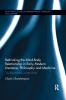
<p>This book explores a neglected feature of intellectual history and literature in the early modern period: the ways in which the body was theorized and represented as an intelligent cognitive agent with desires appetites and understandings independent of the mind. It considers the works of early modern physicians thinkers and literary writers who explored the phenomenon of the independent and intelligent body. Charalampous rethinks the origin of dualism that is commonly associated with Descartes uncovering hitherto unknown lines of reception regarding a form of dualism that understands the body as capable of performing complicated forms of cognition independently of the mind. The study examines the consequences of this way of thinking about the body for contemporary philosophy theology and medicine opening up new vistas of thought against which to reassess perceptions of what literature can be thought and felt to do. Sifting and assessing this evidence sheds new light on a range of historical and literary issues relating to the treatment perception and representation of the human body. This book examines the notion of the thinking body across a wide range of genres topics and authors including Montaigne’s <i>Essays</i> Spenser’s allegorical poetry Donne’s metaphysical poetry tragic dramaturgy Shakespeare and Milton’s epic poetry and shorter poems. It will be essential for those studying early modern literature cognition and the body.</p>
Piracy-free
Assured Quality
Secure Transactions
*COD & Shipping Charges may apply on certain items.
Review final details at checkout.
₹4060
₹5095
20% OFF
Paperback
Out Of Stock
All inclusive*
Details
ISBN 13
9780367871321
Publication Date
-10-12-2019
Pages
-180
Weight
-252 grams
Dimensions
-151.89x229.11x9.85 mm
