




This Book is Out of Stock!
by



Paperback
₹4413
₹5450
19.03% OFF
(All inclusive*)
Delivery Options
*COD & Shipping Charges may apply on certain items.
Review final details at checkout.
Looking to place a bulk order? SUBMIT DETAILS

Piracy-free

Assured Quality

Secure Transactions
About The Book
Description
Author
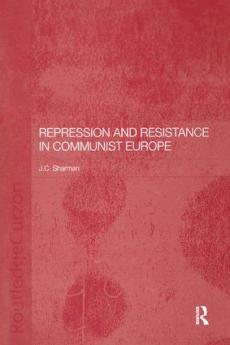
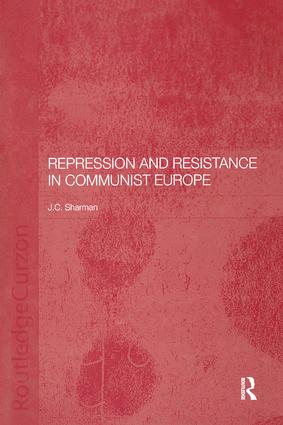
This book explores the role of coercion in the relationship between the citizens and regimes of communist Eastern Europe. Looking in detail at Soviet collectivisation in 1928-34 the Hungarian Uprising of 1956 and the Polish Solidarity Movement of 1980-84 it shows how the system excluded channels to enable popular grievances to be translated into collective opposition; how this lessened the amount of popular protest affected the nature of such protest as did occur and entrenched the dominance of state over society.
Piracy-free
Assured Quality
Secure Transactions
*COD & Shipping Charges may apply on certain items.
Review final details at checkout.
₹4413
₹5450
19% OFF
Paperback
Out Of Stock
All inclusive*
Details
ISBN 13
9781138371019
Publication Date
-14-08-2018
Pages
-184
Weight
-270 grams
Dimensions
-155.96x233.93x10.05 mm
