




This Book is Out of Stock!
by



Paperback
₹3834
₹4739
19.1% OFF
(All inclusive*)
Delivery Options
*COD & Shipping Charges may apply on certain items.
Review final details at checkout.
Looking to place a bulk order? SUBMIT DETAILS

Piracy-free

Assured Quality

Secure Transactions
About The Book
Description
Author
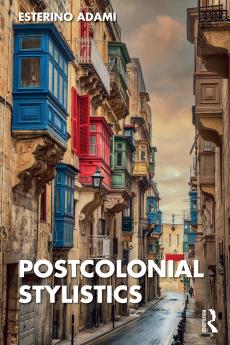
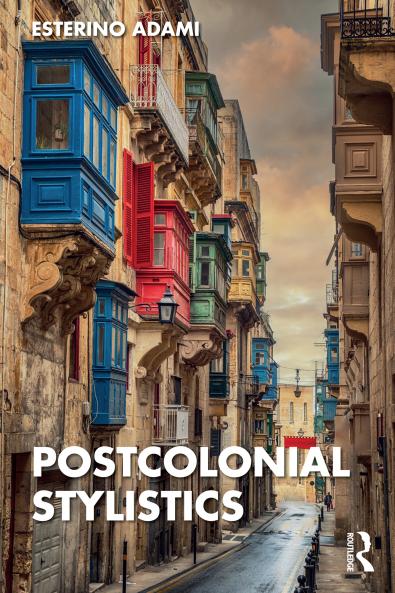
<p>This accessible introduction to postcolonial stylistics looks at the shared aims of stylistics and postcolonial studies and illustrates how to apply the analytical and theoretical tools of stylistics to a selection of literary and non-literary texts from a range of English-speaking postcolonial contexts.</p><p>Structured around the five keywords of Language Identity Belonging History and Ecology the book:</p><ul> <li>sheds light on the way in which writers from a range of former colonial territories have creatively drawn from such thematic areas to construct complex and committed discourses</li> <li>shows how a rigorous linguistic analysis can help reach a better understanding of the rhetorical mechanisms and cultural dynamics operating in these works</li> <li>underlines how meaning is generated from the interaction between author reader and context; how narratives shape and propagate a specific worldview; and how metaphor can convey social and political values</li> <li>expands on each keyword by considering texts of different typology such as fiction poetry drama and non-fiction accompanied by activities and references</li> <li>includes historical and literary postcolonial timelines and an index of names and topics</li> </ul><p>Comprehensive in its coverage and assuming no prior knowledge of the topics considered the book adopts an interactive and activity-based approach to develop readers’ understanding of linguistic structures and forms through postcolonial texts. Offering a new interdisciplinary perspective this is essential reading for students new to stylistics and postcolonial literature.</p>
Piracy-free
Assured Quality
Secure Transactions
*COD & Shipping Charges may apply on certain items.
Review final details at checkout.
₹3834
₹4739
19% OFF
Paperback
Out Of Stock
All inclusive*
Details
ISBN 13
9781032740898
Publication Date
-05-05-2025
Pages
-242
Weight
-350 grams
Dimensions
-155.96x233.93x13.03 mm
