





This Book is Out of Stock!
by
English




Paperback
₹3837
₹4739
19.03% OFF
(All inclusive*)
Delivery Options
*COD & Shipping Charges may apply on certain items.
Review final details at checkout.
Looking to place a bulk order? SUBMIT DETAILS

Piracy-free

Assured Quality

Secure Transactions
About The Book
Description
Author
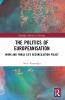
<p>With the dramatic changes in the extent to which women and men contribute to unpaid domestic work and paid employment work and family life reconciliation has become more prominent than ever on the European Union agenda. This comparative study examines the Europeanisation patterns of work and family life reconciliation policies in a longstanding candidate country Turkey and a founding member state Germany over the last decade with a particular emphasis on intervening domestic actors and factors. Combining Europeanisation literature and New Institutionalism theory it draws on document analysis and interviews with EU representatives German and Turkish political elites and representatives of civil society organisations to shed light on the diverging nature of the Europeanisation process in different countries. A study of the influence of local actors on the push for stronger convergence among member and candidate states on EU work and family life reconciliation policies <i>The Politics of Europeanisation </i>will appeal to social scientists with interests in social policy gender studies EU politics and the Europeanisation process. </p>
Piracy-free
Assured Quality
Secure Transactions
*COD & Shipping Charges may apply on certain items.
Review final details at checkout.
₹3837
₹4739
19% OFF
Paperback
Out Of Stock
All inclusive*
Details
ISBN 13
9780367620288
Publication Date
-09-01-2023
Pages
-230
Weight
-333 grams
Dimensions
-156x234x12.42 mm
