




This Book is Out of Stock!
by



Hardback
₹8424
₹10664
21.01% OFF
(All inclusive*)
Delivery Options
*COD & Shipping Charges may apply on certain items.
Review final details at checkout.
Looking to place a bulk order? SUBMIT DETAILS

Piracy-free

Assured Quality

Secure Transactions
About The Book
Description
Author
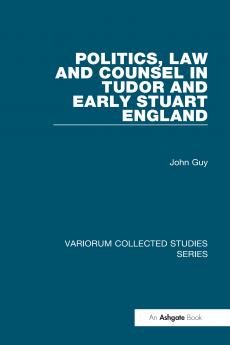
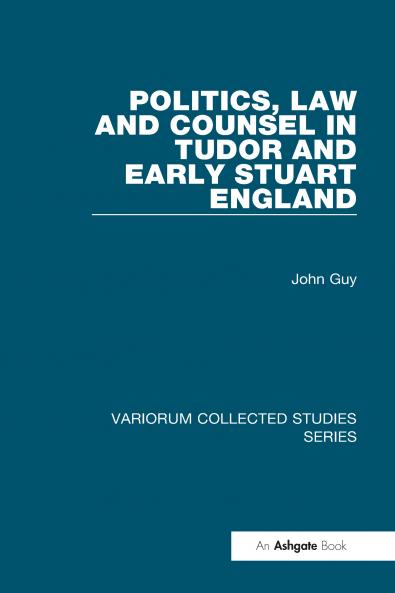
This book investigates the norms and values of Tudor and early-Stuart politics which are considered in the contexts of law and the Reformation legal and administrative institutions and classical and legal humanism. Main themes include 'imperial' monarchy and the theory of 'counsel' Parliament and the royal supremacy conciliar politics and organization the relationship of law and equity and the jurisdictional rivalry between the courts of common law and canon law. The author argues that norms of Tudor England were sufficiently pluralist to satisfy both 'absolutist' and 'constitutionalist' aspirations whereas by 1628 they proved no longer effective as a mechanism for the orderly conduct of politics. The clash between two conflicting sets of values was translated into a clash of ideologies.
Piracy-free
Assured Quality
Secure Transactions
*COD & Shipping Charges may apply on certain items.
Review final details at checkout.
₹8424
₹10664
21% OFF
Hardback
Out Of Stock
All inclusive*
Details
ISBN 13
9780860788324
Publication Date
-05-07-2000
Pages
-336
Weight
-525 grams
Dimensions
-150x224x19.26 mm
