




This Book is Out of Stock!
by



Hardback
₹11944
₹17183
30.49% OFF
(All inclusive*)
Delivery Options
*COD & Shipping Charges may apply on certain items.
Review final details at checkout.
Looking to place a bulk order? SUBMIT DETAILS

Piracy-free

Assured Quality

Secure Transactions
About The Book
Description
Author
Shoutouts
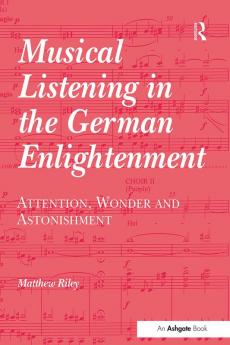
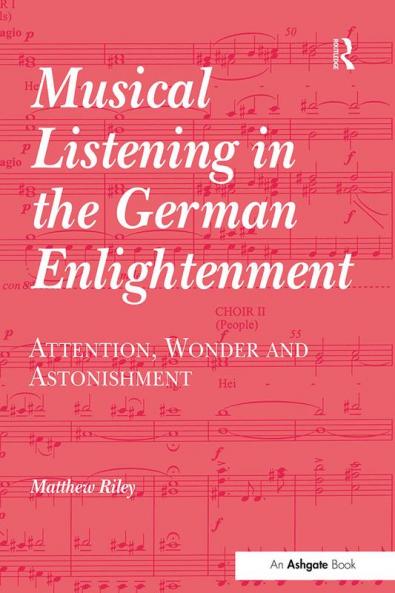
The silent attentiveness expected of concert audiences is one of the most distinctive characteristics of modern Western musical culture. This is the first book to examine the concept of attention in the history of musical thought and its foundations in the writings of German musical commentators of the late eighteenth century. Those critics explained numerous technical features of the music of their time as devices for arousing sustaining or otherwise influencing the attention of a listener citing in illustration works by Gluck C. P. E. Bach Georg Benda and others. Two types of attention were identified: the uninterrupted experience of a single emotional state conveyed by a piece of music as a whole and the fleeting sense of 'wonder' or 'astonishment' induced by a local event in a piece. The relative validity of these two modes was a topic of heated debate in the German Enlightenment encompassing issues of musical communication compositional integrity and listener competence. Matthew Riley examines the significant writers on the topic (Descartes Leibniz Wolff Baumgarten Rousseau Meier Sulzer and Forkel) and provides analytical case studies to illustrate how these perceived modes of attention shaped interpretations of music of the period.
Piracy-free
Assured Quality
Secure Transactions
*COD & Shipping Charges may apply on certain items.
Review final details at checkout.
₹11944
₹17183
30% OFF
Hardback
Out Of Stock
All inclusive*
Details
ISBN 13
9780754632672
Publication Date
-22-10-2004
Pages
-200
Weight
-384 grams
Dimensions
-156x234x12.28 mm
