





This Book is Out of Stock!
by



Paperback
₹4006
₹4976
19.49% OFF
(All inclusive*)
Delivery Options
*COD & Shipping Charges may apply on certain items.
Review final details at checkout.
Looking to place a bulk order? SUBMIT DETAILS

Piracy-free

Assured Quality

Secure Transactions
About The Book
Description
Author
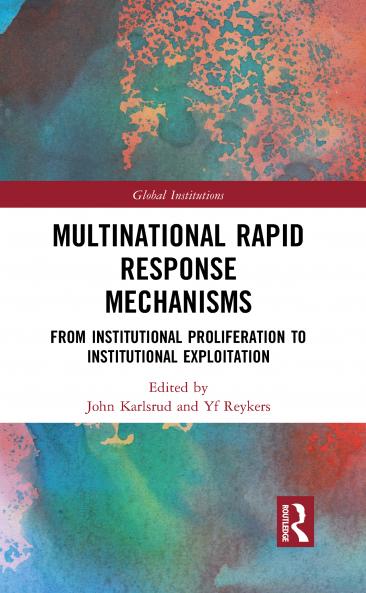
<p>The track record of military rapid response mechanisms troops on standby ready to be deployed to a crisis within a short time frame by intergovernmental organizations remains disappointing. Yet many of the obstacles to multinational actors launching a rapid and effective military response in times of crisis are largely similar. This book is the first comprehensive and comparative contribution to explore and identify the key factors that hamper and enable the development and deployment of multinational rapid response mechanisms.</p><p></p><p>Examining lessons from deployments by the AU the EU NATO and the UN in the Central African Republic Mali Somalia and counter-piracy in the Horn of Africa the contributors focus upon the following questions: Was there a rapid response to the crises? By whom? If not what were the major obstacles to rapid response? Did inter-organizational competition hinder responsiveness? Or did cooperation facilitate responsiveness? Bringing together leading scholars working in this area offers a unique opportunity to analyze and develop lessons for policy-makers and for theorists of inter-organizational relations.</p><p></p><p>This work will be of interest to scholars and students of peacebuilding peacekeeping legitimacy and international relations.</p>
Piracy-free
Assured Quality
Secure Transactions
*COD & Shipping Charges may apply on certain items.
Review final details at checkout.
₹4006
₹4976
19% OFF
Paperback
Out Of Stock
All inclusive*
Details
ISBN 13
9781032093871
Publication Date
-30-06-2021
Pages
-216
Weight
-257 grams
Dimensions
-138x216x11.7 mm
