




This Book is Out of Stock!
by
English



Paperback
₹4519
₹4739
4.64% OFF
(All inclusive*)
Delivery Options
*COD & Shipping Charges may apply on certain items.
Review final details at checkout.
Looking to place a bulk order? SUBMIT DETAILS

Piracy-free

Assured Quality

Secure Transactions
About The Book
Description
Author
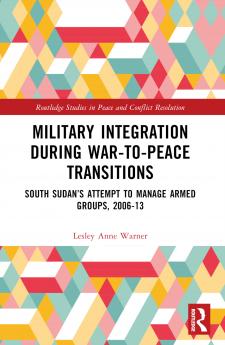
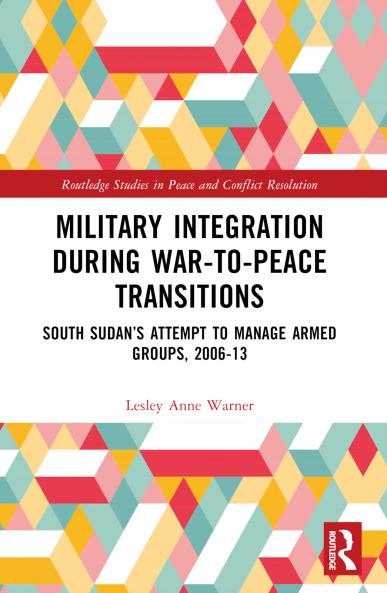
<p>In the 1960s only 10% of peace agreements included some element of political-military accommodation – namely military integration. From Burundi to Bosnia to Zimbabwe that number had increased to over 50% by the 2000s. However relatively little is understood about this dimension of power-sharing often utilized during war-to-peace transitions. Through an examination of the case of South Sudan between 2006 and 2013 this book explores why countries undergoing transitions from war to peace decide to integrate armed groups into a statutory security framework. This book details how integration contributed to short-term stability in South Sudan allowing the government to overcome wartime factionalism and consolidate political-military power prior to the referendum on self-determination in 2011. It also examines how the integration process in South Sudan was flawed by its open-ended nature and lack of coordination with efforts to right-size the military and transform the broader defense sector and how this led the military to fragment during periods of heightened political competition. Furthermore the book explains why integration ultimately failed in South Sudan and identifies the wider lessons that could be applied to current or future war-to-peace transitions. </p><p>This book will be of great interest to students of war and conflict studies peacebuilding post-conflict reconstruction African security issues and International Relations in general as well as to practitioners.</p>
Piracy-free
Assured Quality
Secure Transactions
*COD & Shipping Charges may apply on certain items.
Review final details at checkout.
₹4519
₹4739
4% OFF
Paperback
Out Of Stock
All inclusive*
Details
ISBN 13
9781032112305
Publication Date
-09-10-2024
Pages
-172
Weight
-254 grams
Dimensions
-155.96x233.93x9.44 mm
