




This Book is Out of Stock!
by



Paperback
₹4554
₹5687
19.92% OFF
(All inclusive*)
Delivery Options
*COD & Shipping Charges may apply on certain items.
Review final details at checkout.
Looking to place a bulk order? SUBMIT DETAILS

Piracy-free

Assured Quality

Secure Transactions
About The Book
Description
Author
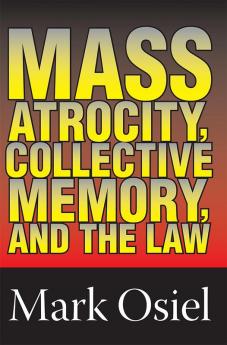
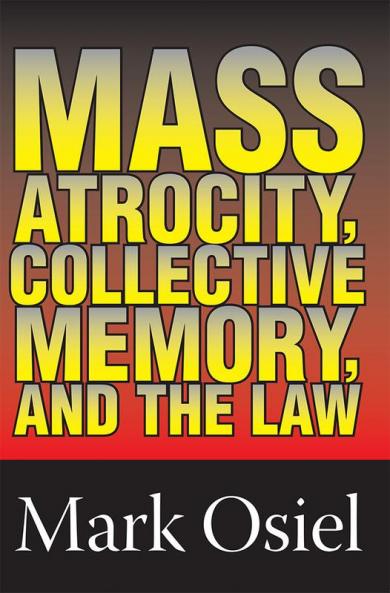
<p>Trials of those responsible for large-scale state brutality have captured public imagination in several countries. Prosecutors and judges in such cases says Osiel rightly aim to shape collective memory. They can do so hi ways successful as public spectacle and consistent with liberal legality. In defending this interpretation he examines the Nuremburg and Tokyo trials the Eicnmann prosecution and more recent trials in Argentina and France. Such trials can never summon up a collective conscience of moral principles shared by all he argues. But they can nonetheless contribute to a little-noticed kind of social solidarity.</p><p>To this end writes Osiel we should pay closer attention to the way an experience of administrative massacre is framed within the conventions of competing theatrical genres. Defense counsel will tell the story as a tragedy while prosecutors will present it as a morality play. The judicial task at such moments is to employ the law to recast the courtroom drama in terms of a theater of ideas which engages large questions of collective memory and even national identity. Osiel asserts that principles of liberal morality can be most effectively inculcated in a society traumatized by fratricide when proceedings are conducted in this fashion.</p><p>The approach Osiel advocates requires courts to confront questions of historical interpretation and moral pedagogy generally regarded as beyond their professional competence. It also raises objections that defendants' rights will be sacrificed historical understanding distorted and that the law cannot willfully influence collective memory at least not when lawyers acknowledge this aim. Osiel responds to all these objections and others. Lawyers judges sociologists historians and political theorists will find this a compelling contribution to debates on the meaning and consequences of genocide.</p>
Piracy-free
Assured Quality
Secure Transactions
*COD & Shipping Charges may apply on certain items.
Review final details at checkout.
₹4554
₹5687
19% OFF
Paperback
Out Of Stock
All inclusive*
Details
ISBN 13
9780765806635
Publication Date
-30-09-1999
Pages
-328
Weight
-446 grams
Dimensions
-152x229x17.45 mm
