




This Book is Out of Stock!
by
English



Paperback
₹4255
₹5095
16.49% OFF
(All inclusive*)
Delivery Options
*COD & Shipping Charges may apply on certain items.
Review final details at checkout.
Looking to place a bulk order? SUBMIT DETAILS

Piracy-free

Assured Quality

Secure Transactions
About The Book
Description
Author
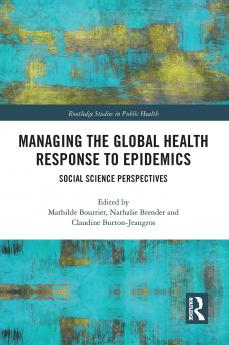
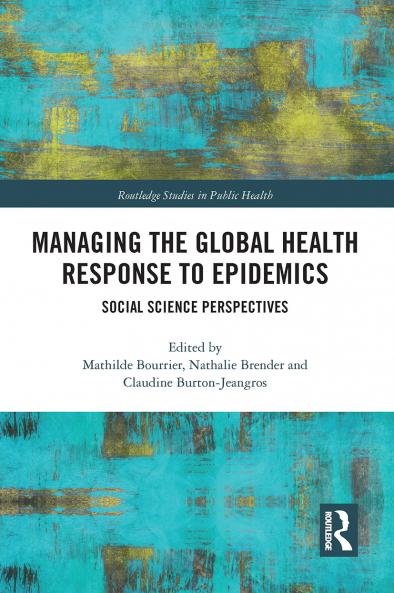
<p>Recent epidemics have prompted large-scale international interventions aimed at mitigating the spread of disease in a globalized world. During a crisis however global health actions �€“ including planning and organizing communicating about risk and cost�€“benefit evaluations �€“ aren�€�t usually part of a single integrated global response. Arguing that an uncoordinated approach can be challenged by local conditions and expectations generating a wide range of resistance and difficulties this volume provides important insights for future outbreak management and global health governance.</p><p></p><p>Drawing on experiences with A(H1N1) and Ebola virus disease the book is divided into three parts looking at how responses to global health crises have developed lessons learned from particular pandemics and the ethical implications of our management of them. Individual chapters focus on among other issues financing cost�€“benefit analysis matrix management risk communication and organizational strategies.</p><p></p><p>Taking a social science perspective this valuable book outlines the current state of global health emergency responses and explores ways in which they can be improved. It is a useful read for academics and practitioners interested in global health the sociology of health and illness health economics and emergency management.</p>
Piracy-free
Assured Quality
Secure Transactions
*COD & Shipping Charges may apply on certain items.
Review final details at checkout.
₹4255
₹5095
16% OFF
Paperback
Out Of Stock
All inclusive*
Details
ISBN 13
9781032570181
Publication Date
-31-05-2023
Pages
-304
Weight
-435 grams
Dimensions
-155.96x233.93x16.22 mm
