




This Book is Out of Stock!
by
English



Hardback
₹8015
₹10072
20.42% OFF
(All inclusive*)
Delivery Options
*COD & Shipping Charges may apply on certain items.
Review final details at checkout.
Looking to place a bulk order? SUBMIT DETAILS

Piracy-free

Assured Quality

Secure Transactions
About The Book
Description
Author
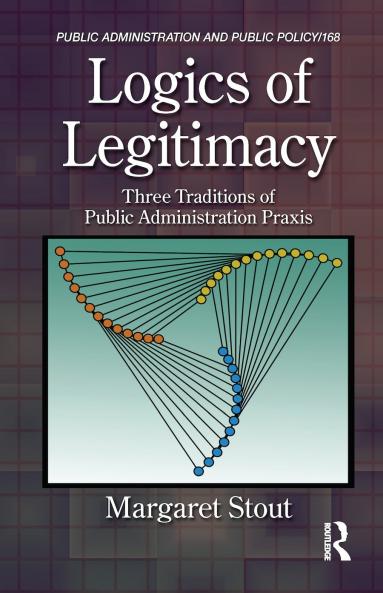
<p>The discipline of public administration draws predominantly from political and organizational theory but also from other social and behavioral sciences philosophy and even theology. This diversity results in conflicting prescriptions for the proper administrative role. So how are those new to public administration to know which ideas are legitimate?</p><p>Rather than accepting conventional arguments for administrative legitimacy through delegated constitutional authority or expertise <strong>Logics of Legitimacy: Three Traditions of Public Administration Praxis</strong> does not assume that any one approach to professionalism is accepted by all scholars practitioners citizens or elected representatives. Instead it offers a framework for public administration theory and practice that fully includes the citizen as a political actor alongside elected representatives and administrators. This framework:</p><ul> <p> </p> <li>Considers both direct and representative forms of democracy</li> <li>Examines concepts from both political and organizational theory addressing many of the key questions in public administration</li> <li>Examines past and present approaches to administration</li> <li>Presents a conceptual lens for understanding public administration theory and explaining different administrative roles and practices</li> </ul><p>The framework for public administration theory and practice is presented in three traditions of main prescriptions for practice: Constitutional (the bureaucrat) Discretionary (the entrepreneur) and Collaborative (the steward). This book is appropriate for use in graduate-level courses that explore the philosophical historical and intellectual foundations of public administration. Upon qualified course adoption instructors will gain access to a course outline and corresponding lecture slides.</p>
Piracy-free
Assured Quality
Secure Transactions
*COD & Shipping Charges may apply on certain items.
Review final details at checkout.
₹8015
₹10072
20% OFF
Hardback
Out Of Stock
All inclusive*
Details
ISBN 13
9781466511613
Publication Date
-26-07-2012
Pages
-326
Weight
-557 grams
Dimensions
-156x234x18.75 mm
