





This Book is Out of Stock!
by



Paperback
₹4155
₹5213
20.3% OFF
(All inclusive*)
Delivery Options
*COD & Shipping Charges may apply on certain items.
Review final details at checkout.
Looking to place a bulk order? SUBMIT DETAILS

Piracy-free

Assured Quality

Secure Transactions
About The Book
Description
Author
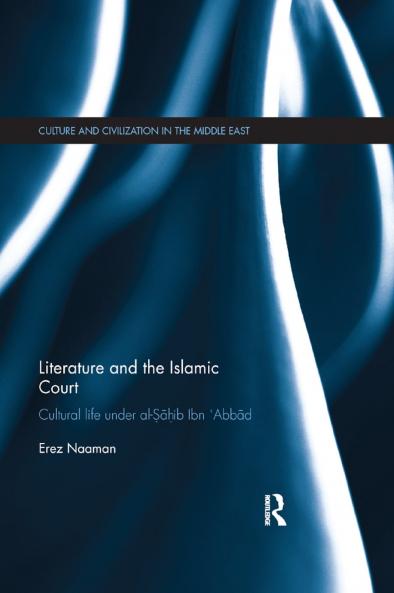
<p>Courts were the most important frameworks for the production performance and evaluation of literature in medieval Islamic civilization. Patrons vying for prestige attracted to their courts literary people who sought their financial support. The most successful courts assembled outstanding literary people from across the region. </p><p></p><p>The court of the vizier and literary person al-Sahib Ibn ʿAbbad (326-385/938-995) in western Iran is one of the most remarkable examples of a medieval Islamic court with a sophisticated literary activity in Arabic (and to a lesser extent in Persian). <i>Literature and the Islamic Court</i> examines the literary activity at the court of al-Sahib and sheds light on its functional logic. It is an inquiry into the nature of a great medieval court where various genres of poetry and prose were produced performed and evaluated regularly. Major aspects examined in the book are the patterns of patronage selection and auditioning; the cultural codes and norms governing performance production and criticism; the interaction between the patron and courtiers and among the courtiers themselves; competition; genres as productive molds; the hegemonic literary taste; and the courtly habitus. This book reveals the significance these courts held as institutions that were at the heart of literary production in Arabic. </p><p></p><p>Using primary medieval Arabic sources this book offers a comprehensive analysis of Islamic courts and as such is of key interest to students and scholars of Arabic literature Islamic history and medieval studies.</p>
Piracy-free
Assured Quality
Secure Transactions
*COD & Shipping Charges may apply on certain items.
Review final details at checkout.
₹4155
₹5213
20% OFF
Paperback
Out Of Stock
All inclusive*
Details
ISBN 13
9780367874513
Publication Date
-12-12-2019
Pages
-332
Weight
-473 grams
Dimensions
-155.96x233.93x17.66 mm
