




This Book is Out of Stock!
by



Paperback
₹4502
(All inclusive*)
Delivery Options
*COD & Shipping Charges may apply on certain items.
Review final details at checkout.
Looking to place a bulk order? SUBMIT DETAILS

Piracy-free

Assured Quality

Secure Transactions
About The Book
Description
Author
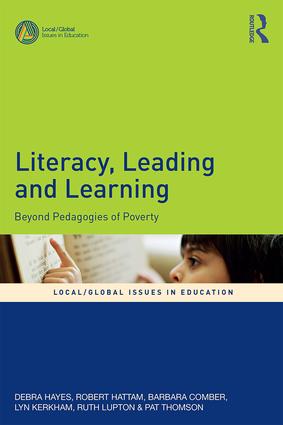
<p>How might educational leaders and teachers improve literacy achievement in schools serving communities experiencing high levels of poverty? This question is the focus of this book. Drawing on long-term case studies of four primary schools located in these communities this book describes the difference between what is commonly practiced and those practices that have a greater chance of supporting young people’s literacy learning. </p><p>In this multi-layered analysis of the effects of policy on practice the authors: discuss global concerns with literacy policy and testing in view of the growing gaps between rich and poor; examine the effects of the intensification of inequality and entrenched poverty and the implications for schools; illustrate how deficit discourses pertaining to communities living in poverty are contested in schools; and describe the complexities of sustaining pedagogical and curriculum change to address the problem of unequal educational outcomes in literacy.</p><p>This book grapples with some of the most debated questions regarding educational disadvantage school change leadership and literacy pedagogy that face educational researchers policy-makers and practitioners internationally. As well as providing a critique of the risks of current policy rationales it conveys some hopeful accounts of practice that provide leads for further development.</p>
Piracy-free
Assured Quality
Secure Transactions
*COD & Shipping Charges may apply on certain items.
Review final details at checkout.
₹4502
Out Of Stock
All inclusive*
Details
ISBN 13
9781138893559
Publication Date
-23-06-2017
Pages
-228
Weight
-330 grams
Dimensions
-155.96x233.93x12.31 mm
