


This Book is Out of Stock!
by



Hardback
₹13186
₹18368
28.21% OFF
(All inclusive*)
Delivery Options
*COD & Shipping Charges may apply on certain items.
Review final details at checkout.
Looking to place a bulk order? SUBMIT DETAILS

Piracy-free

Assured Quality

Secure Transactions
About The Book
Description
Author
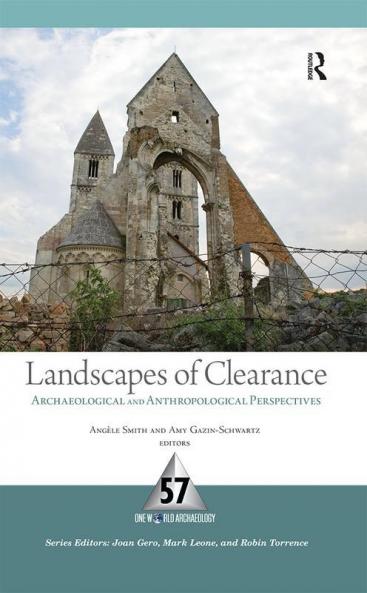
This volume examines landscapes that have been cleared of inhabitants--for economic environmental or socio-political reasons by choice or by force--and the social impacts of clearance on their populations. Using cases from five continents and ranging from prehistoric through colonial and post-colonial times the contributors show landscapes as meaningful points of contestation when populations abandon them or are exiled from them. Acts of resistance and revitalization are also explored demonstrating the social and political meaning of specific landscapes to individuals groups and nations and how they help shape cultural identity and ideology.Sponsored by the World Archaeological Congress
Piracy-free
Assured Quality
Secure Transactions
*COD & Shipping Charges may apply on certain items.
Review final details at checkout.
₹13186
₹18368
28% OFF
Hardback
Out Of Stock
All inclusive*
Details
ISBN 13
9781598742664
Publication Date
-31-07-2008
Pages
-222
Weight
-395 grams
Dimensions
-152x229x13.41 mm
Imprint
-TAYLOR AND FRANCIS GROUP LIMITED
