




This Book is Out of Stock!
by
English



Paperback
₹3815
₹4739
19.5% OFF
(All inclusive*)
Delivery Options
*COD & Shipping Charges may apply on certain items.
Review final details at checkout.
Looking to place a bulk order? SUBMIT DETAILS

Piracy-free

Assured Quality

Secure Transactions
About The Book
Description
Author
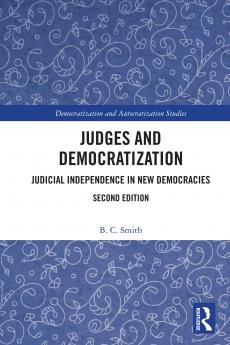
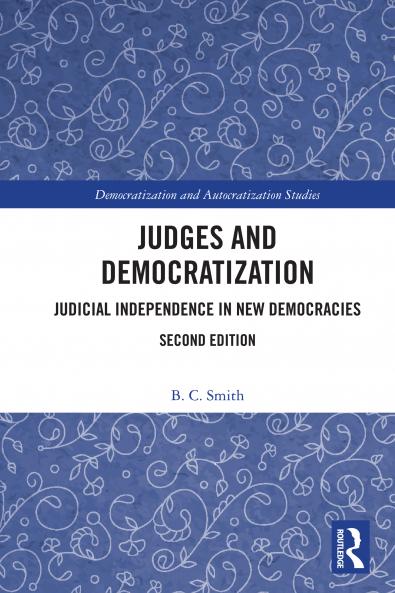
<p>This second edition examines judicial independence as an aspect of democratization based on the premise that democracy cannot be consolidated without the rule of law of which judicial independence is an indispensable part.</p><p>It pays particular attention to the restraints placed upon judicial independence and examines the reforms which are being applied or remain to be adopted in order to guard against the different kinds of interference which prevent judicial decisions being taken in a wholly impartial way. Focusing on the growing authoritarianism in the new democracies of Eastern Europe Latin America Asia and Africa the book analyses the paradox of judicial activism arising from the independence endowed upon the judiciary and the rights bestowed on citizens by post-authoritarian constitutions. Finally it asks how judicial accountability can be made compatible with the preservation of judicial independence when the concept of an accountable independent judiciary appears to be a contradiction in terms.</p><p>This book will be of key interest to scholars and students of judicial studies democratization and autocratization studies constitutionalism global governance and more broadly comparative government/politics human rights and comparative public law.</p>
Piracy-free
Assured Quality
Secure Transactions
*COD & Shipping Charges may apply on certain items.
Review final details at checkout.
₹3815
₹4739
19% OFF
Paperback
Out Of Stock
All inclusive*
Details
ISBN 13
9781032369495
Publication Date
-27-05-2024
Pages
-302
Weight
-432 grams
Dimensions
-155.96x233.93x16.12 mm
