


This Book is Out of Stock!
by



Paperback
₹4026
₹4976
19.09% OFF
(All inclusive*)
Delivery Options
*COD & Shipping Charges may apply on certain items.
Review final details at checkout.
Looking to place a bulk order? SUBMIT DETAILS

Piracy-free

Assured Quality

Secure Transactions
About The Book
Description
Author
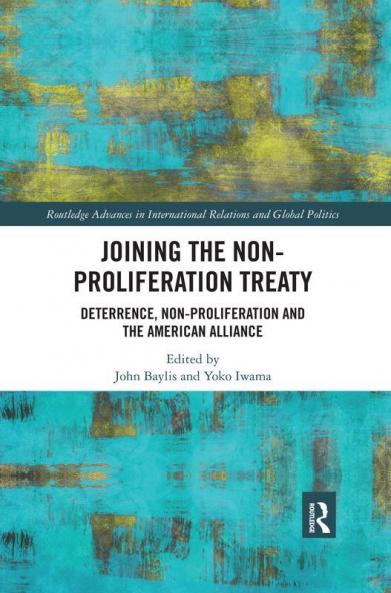
<p>What were the calculations made by the US and its major allies in the 1960s when they faced the signing of the Non-Proliferation Treaty (NPT)? These were all states with the technological and financial capabilities to develop and possess nuclear weapons should they wish to do so. In the end only the United Kingdom and France became nuclear weapon states. Eventually all of them joined the non-proliferation regime.</p><p>Leading American British Canadian French German and Japanese scholars consider key questions that faced the signatories to the NPT:</p><ul> <p> </p> <li>How imperative was nuclear deterrence in facing the perceived threat to their country?</li> <p> </p> <li>How reliable did they think the US extended deterrence was and how costly would an independent deterrent be both financially and politically?</li> <p> </p> <li>Was there a regional option?</li> <p> </p> <li>How much future was there in the civilian nuclear energy sector for their country and what role would the NPT play in this area?</li> <p> </p> <li>What capabilities needed to be preserved for the country’s future and how could this be made compatible with the NPT?</li> <p> </p> <li>What were the determining factors of deciding whether to join the NPT?</li> </ul>
Piracy-free
Assured Quality
Secure Transactions
*COD & Shipping Charges may apply on certain items.
Review final details at checkout.
₹4026
₹4976
19% OFF
Paperback
Out Of Stock
All inclusive*
Details
ISBN 13
9780367484330
Publication Date
-28-04-2020
Pages
-224
Weight
-325 grams
Dimensions
-156x234x12.11 mm
