




This Book is Out of Stock!
by
English



Hardback
₹3777
₹4739
20.3% OFF
(All inclusive*)
Delivery Options
*COD & Shipping Charges may apply on certain items.
Review final details at checkout.
Looking to place a bulk order? SUBMIT DETAILS

Piracy-free

Assured Quality

Secure Transactions
About The Book
Description
Author
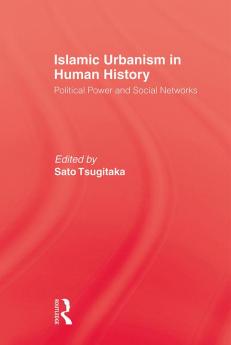
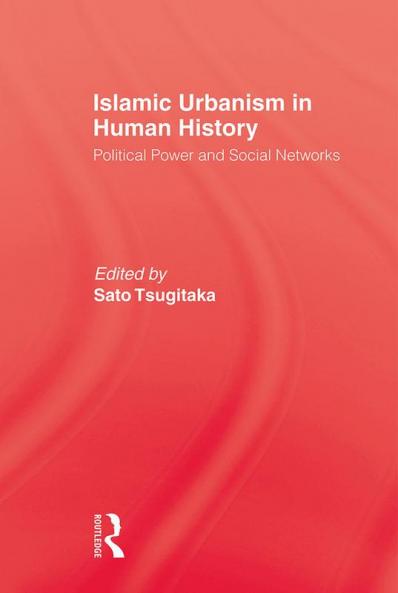
<p>Islamic cultures in the Middle East have inherited and developed a legacy of urbanism spanning millennia to the ancient civilizations of the region. In contrast to well-organized states like China in history Muslim peoples formed loose states based on intricate social networks. As a consequence most studies of urban history in the Middle East have focused their gaze exclusively on urban social organization often neglecting the extension of political power to rural areas. Covering Morocco Egypt Syria Iran and Brunei this volume explores the relationship between political power and social networks in medieval and modern Middle Eastern history. The authors examine social religious and administrative networks that governed rural and urban areas and led to state formation providing a more inclusive view of the mechanisms of power and control in the Islamic world.</p>
Piracy-free
Assured Quality
Secure Transactions
*COD & Shipping Charges may apply on certain items.
Review final details at checkout.
₹3777
₹4739
20% OFF
Hardback
Out Of Stock
All inclusive*
Details
ISBN 13
9780710305602
Publication Date
-04-01-1997
Pages
-246
Weight
-365 grams
Dimensions
-138x216x14.64 mm
