




This Book is Out of Stock!
by



Paperback
₹4976
(All inclusive*)
Delivery Options
*COD & Shipping Charges may apply on certain items.
Review final details at checkout.
Looking to place a bulk order? SUBMIT DETAILS

Piracy-free

Assured Quality

Secure Transactions
About The Book
Description
Author
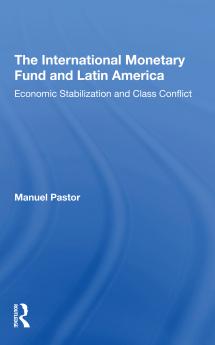
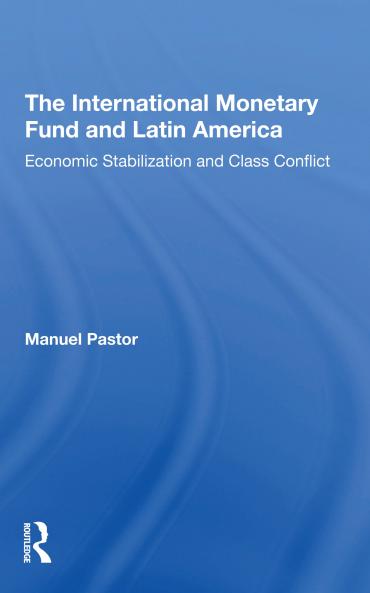
The debt crisis in Latin America has rekindled debate about the effects of the IMF's stabilization programs in the Third World. Critics contend that these programs have short-run recessionary impacts and damage prospects for long-term growth. In response Fund economists point to cross-country studies revealing mixed impacts on growth rates coupled with significant success in achieving the IMF's stated goals: current account and balance-of-payments improvements and inflation rate reduction. Dr. Pastor argues that the traditional growth-oriented critique is theoretically misplaced and he recasts Fund activities in terms of class and income distribution. Applying the methodology of previous Fund studies he evaluates the effects of IMF programs in eighteen Latin American countries in the pre-crisis period (1965-1981).
Piracy-free
Assured Quality
Secure Transactions
*COD & Shipping Charges may apply on certain items.
Review final details at checkout.
₹4976
Out Of Stock
All inclusive*
Details
ISBN 13
9780367308650
Publication Date
-31-05-2021
Pages
-244
Weight
-336 grams
Dimensions
-151.89x229.11x13.14 mm
