





This Book is Out of Stock!
by



Paperback
₹3861
₹4739
18.53% OFF
(All inclusive*)
Delivery Options
*COD & Shipping Charges may apply on certain items.
Review final details at checkout.
Looking to place a bulk order? SUBMIT DETAILS

Piracy-free

Assured Quality

Secure Transactions
About The Book
Description
Author
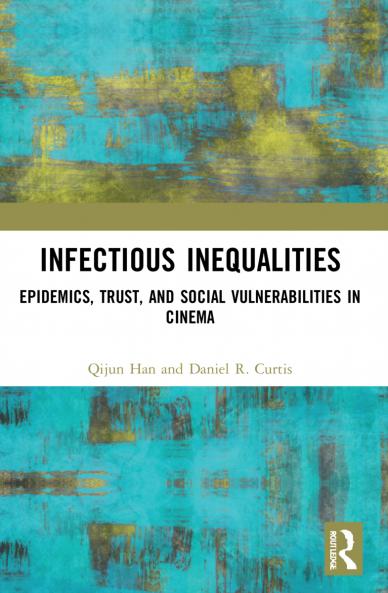
This book explores societal vulnerabilities highlighted within cinema and develops an interpretive framework for understanding the depiction of societal responses to epidemic disease outbreaks across cinematic history.Drawing on a large database of twentieth- and twenty-first-century films depicting epidemics the study looks into issues including trust distrust and mistrust; different epidemic experiences down the lines of expertise gender and wealth; and the difficulties in visualizing the invisible pathogen on screen. The authors argue that epidemics have long been presented in cinema as forming a point of cohesion for the communities portrayed as individuals and groups “from below” represented as characters in these films find solidarity in battling a common enemy of elite institutions and authority figures. Throughout the book a central question is also posed: “cohesion for whom?” which sheds light on the fortunes of those characters that are excluded from these expressions of collective solidarity.This book is a valuable reference for scholars and students of film studies and visual studies as well as academic and general readers interested in topics of films and history and disease and society.The Open Access version of this book available at taylorfrancis has been made available under a Creative Commons Attribution-Non Commercial-No Derivatives 4.0 license.
Piracy-free
Assured Quality
Secure Transactions
*COD & Shipping Charges may apply on certain items.
Review final details at checkout.
₹3861
₹4739
18% OFF
Paperback
Out Of Stock
All inclusive*
Details
ISBN 13
9781032205205
Publication Date
-25-09-2023
Pages
-156
Weight
-245 grams
Dimensions
-155.96x233.93x9.13 mm
