




This Book is Out of Stock!
by



Hardback
₹11962
₹17183
30.38% OFF
(All inclusive*)
Delivery Options
*COD & Shipping Charges may apply on certain items.
Review final details at checkout.
Looking to place a bulk order? SUBMIT DETAILS

Piracy-free

Assured Quality

Secure Transactions
About The Book
Description
Author
Shoutouts
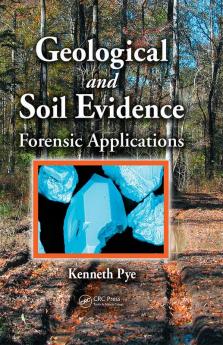
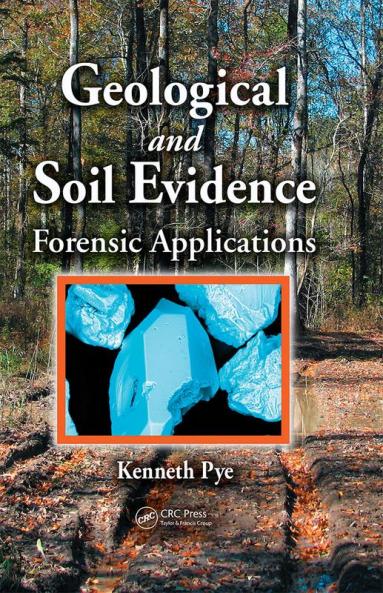
The forensic potential of geological and soil evidence has been recognized for more than a century but recently these types of evidence are used much more widely as an investigative intelligence tool and as evidence in court. There is however still a poor understanding of the potential value and the limitations of geological and soil evidence among the forensic science and wider legal communities.Geological and Soil Evidence: Forensic Applications provides an authoritative introduction to the nature and properties of geological and soil materials that may be used as trace evidence and the techniques used to analyze and evaluate them. It emphasizes the use of geoscience in forensic analyses including geophysical meteorological and geomorphological data. This inclusive book covers material types and analytical strategies used in examining both the common components of geological evidence such as rocks dusts minerals spores and microfossils as well as anthropogenic particles like pottery and brick. It instructs on particle characterization based on physical chemical and mineralogical traits such as color shape density and elemental and isotopic composition. It also explains sampling and handling procedures particular to criminalistics and introduces analysis evaluation and decision-making practices based on statistical significance and the weighing of different types of evidence. Discussions of basic principles are supported and enhanced with numerous case studies that tie methods of analysis to specific forensic applications. Examples are drawn from the author's own experience as well as the wider scientific literature.Accessible enough for readers with limited scientific knowledge and informative enough for scientists interested in forensic applications Geological and Soil Evidence: Forensic Applications is a comprehensive reference for the current knowledge of forensic geology and soil science.
Piracy-free
Assured Quality
Secure Transactions
*COD & Shipping Charges may apply on certain items.
Review final details at checkout.
₹11962
₹17183
30% OFF
Hardback
Out Of Stock
All inclusive*
Details
ISBN 13
9780849331466
Publication Date
-19-04-2007
Pages
-360
Weight
-702 grams
Dimensions
-156x234x20.63 mm
