




This Book is Out of Stock!
by



Hardback
₹13190
₹16590
20.49% OFF
(All inclusive*)
Delivery Options
*COD & Shipping Charges may apply on certain items.
Review final details at checkout.
Looking to place a bulk order? SUBMIT DETAILS

Piracy-free

Assured Quality

Secure Transactions
About The Book
Description
Author
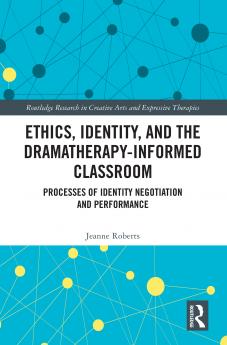
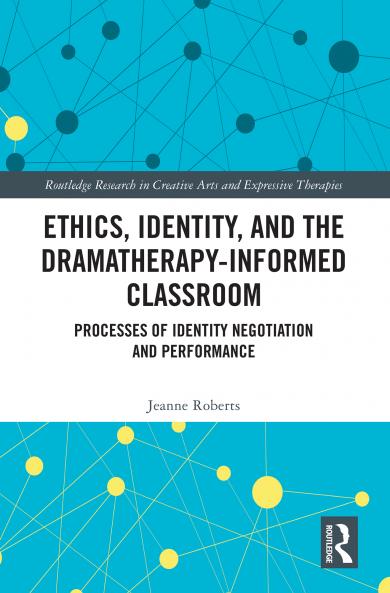
<p>Using the drama classroom to shape an active student-centred space and foster a new perspective for understanding the dramatherapeutic change-process this book explores the processes that underpin the ways young people negotiate and perform their identities as ethical people.</p><p>Arguing for the retention of process-based exploratory drama on the curriculum chapters critique the impact of neoliberalism and managerialism on the development of young people’s ethics and values. Using concepts such as aesthetic distance encoding the role of audience and witness and the contrast between individual multi and group roles to enable students to develop as thinking reflecting people the book argues that dramatherapy should not be limited to clinical settings disconnected from classrooms and the pedagogical contributions that it can make. By absorbing dramatherapy into the broader field of education an expanded understanding of the concept of the managed classroom space can be gained based on an understanding of the multiple embodied psychosocial relational processes at play in the drama classroom.</p><p>This innately multidisciplinary book will be of use to scholars researchers and postgraduate students studying drama education dramatherapy and curriculum studies more broadly. Drama teachers and educators will also find this volume of use.</p>
Piracy-free
Assured Quality
Secure Transactions
*COD & Shipping Charges may apply on certain items.
Review final details at checkout.
₹13190
₹16590
20% OFF
Hardback
Out Of Stock
All inclusive*
Details
ISBN 13
9781032729855
Publication Date
-29-07-2024
Pages
-164
Weight
-335 grams
Dimensions
-156x234x10.43 mm
