




This Book is Out of Stock!
by
English



Paperback
₹3845
₹4739
18.86% OFF
(All inclusive*)
Delivery Options
*COD & Shipping Charges may apply on certain items.
Review final details at checkout.
Looking to place a bulk order? SUBMIT DETAILS

Piracy-free

Assured Quality

Secure Transactions
About The Book
Description
Author
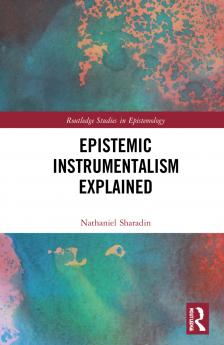
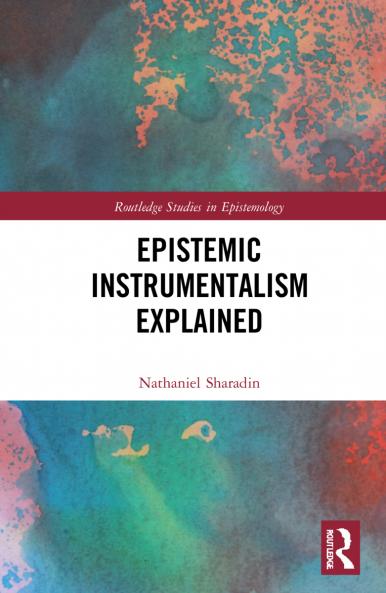
<p>Do epistemic requirements vary along with facts about what promotes agents' well-being? Epistemic instrumentalists say 'yes' and thereby earn a lot of contempt. This contempt is a mistake on two counts. First it is incorrectly based: the reasons typically given for it are misguided. Second it fails to distinguish between <i>first- </i>and <i>second</i>-order epistemic instrumentalism; and it happens only the former is contemptible.</p><p>In this book Nathaniel P. Sharadin argues for rejecting epistemic instrumentalism as a first-order view not because it suffers extensional failures but because it suffers explanatory ones. By contrast he argues that epistemic instrumentalism offers a natural straightforward explanation of why being epistemically correct matters. What emerges is a second-order instrumentalist explanation for epistemic authority that is neutral between competing first-order epistemic theories. This neutrality is an advantage. But drawing on work from cognitive science and psychology Sharadin argues that instrumentalists can abandon that neutrality in order to adopt a view he calls epistemic ecologism.</p><p><em>Epistemic Instrumentalism Explained</em> will be of interest to researchers and advanced students working in epistemology ethics and philosophy of mind.</p>
Piracy-free
Assured Quality
Secure Transactions
*COD & Shipping Charges may apply on certain items.
Review final details at checkout.
₹3845
₹4739
18% OFF
Paperback
Out Of Stock
All inclusive*
Details
ISBN 13
9780367561833
Publication Date
-26-08-2024
Pages
-206
Weight
-286 grams
Dimensions
-151.89x229.11x11.18 mm
