




This Book is Out of Stock!
by



Hardback
₹15016
₹18960
20.8% OFF
(All inclusive*)
Delivery Options
*COD & Shipping Charges may apply on certain items.
Review final details at checkout.
Looking to place a bulk order? SUBMIT DETAILS

Piracy-free

Assured Quality

Secure Transactions
About The Book
Description
Author
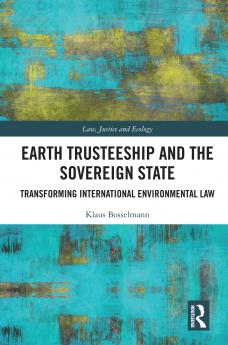
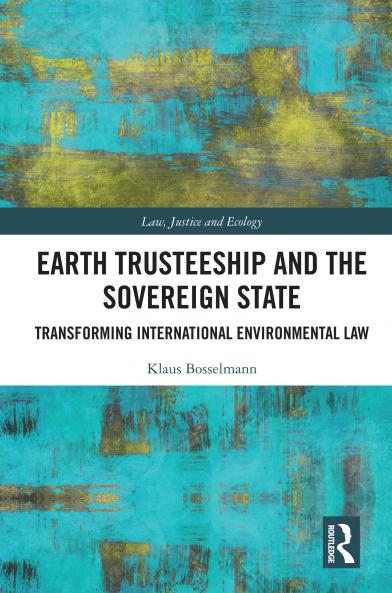
<p>This book makes an argument for the legal role and responsibility of sovereign states in the trusteeship of the Earth.</p><p>In 1972 the first photo of the Earth – Blue Marble – sparked the imagination and need to care for our planet. In the same year the world’s first UN conference on the environment adopted the Stockholm Declaration proclaiming that the Earth’s natural resources and ecosystems must be safeguarded for the benefit of present and future generations. Today the Earth’s ecological systems deteriorate at accelerating speeds as if Earth does not matter to law and governance. But what if it does? Earth system science and related jurisprudence provide clear guidance for effective law and governance in particular the trusteeship responsibilities of sovereign states. This book closes the gap between the promises of international environmental agreements and the concept of state sovereignty. Maintaining that state sovereignty is not an end in itself but rather a means to protect the autonomy and freedom of citizens the book develops the argument that sovereignty includes fiduciary duties for matters of global concern such as human rights and ecological sustainability. Autonomy and freedom of citizens can only prosper if states protect human rights and ecological sustainability both inside and outside national boundaries. This is the logic behind global governance. And as this book demonstrates at its core stands the ancient idea of trusteeship: that is of acting on behalf and to the benefit of those who cannot act for themselves.</p><p>This book’s argument that Earth trusteeship and the sovereign state mutually condition each other will appeal to scholars of environmental law international law and environmental science and others with an interest in ecology and global governance.</p>
Piracy-free
Assured Quality
Secure Transactions
*COD & Shipping Charges may apply on certain items.
Review final details at checkout.
₹15016
₹18960
20% OFF
Hardback
Out Of Stock
All inclusive*
Details
ISBN 13
9781032673998
Publication Date
-31-03-2025
Pages
-354
Weight
-595 grams
Dimensions
-155.96x233.93x20.19 mm
