




This Book is Out of Stock!
by



Hardback
₹13636
₹17183
20.64% OFF
(All inclusive*)
Delivery Options
*COD & Shipping Charges may apply on certain items.
Review final details at checkout.
Looking to place a bulk order? SUBMIT DETAILS

Piracy-free

Assured Quality

Secure Transactions
About The Book
Description
Author
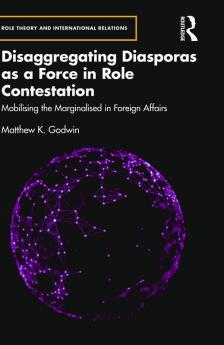
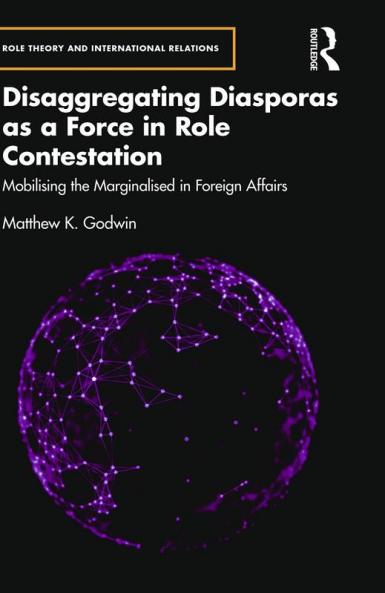
<p>Using a Role Theory lens this book investigates Tamil diaspora mass movements and interest groups as marginalised forces of domestic foreign policy influence. Until now Role Theory has not considered diaspora mass movements as collective action actors nor looked at how marginalised diasporas influence elite foreign policy decision-making.</p><p>Matthew K. Godwin employs a comparative micro-level decision-making narrative that looks incisively at decisions faced by the British and Canadian governments in 2009 and 2013 towards the Sri Lankan civil war and its aftermath. Through qualitative elite-level interviews and content analysis of other primary source data Godwin convincingly argues that when diaspora interest group elites are leveraging the power of mass movements in concert with credible partisan advocates they can influence role contestation. However international institutional constraints on role behaviour may stymie their preferred role performance especially if states are indispensable to the institutions their behaviour may unravel. Ultimately Godwin concludes that some states can't behave badly even when they want to.</p><p>This book will be of interest to students and researchers of lnternational Relations Foreign Policy Analysis Comparative Politics Migration Studies and to non-government organisations who seek to influence governments.</p>
Piracy-free
Assured Quality
Secure Transactions
*COD & Shipping Charges may apply on certain items.
Review final details at checkout.
₹13636
₹17183
20% OFF
Hardback
Out Of Stock
All inclusive*
Details
ISBN 13
9780367544904
Publication Date
-15-09-2022
Pages
-232
Weight
-408 grams
Dimensions
-152x229x13.92 mm
