




This Book is Out of Stock!
by
English






Paperback
₹4342
₹5332
18.57% OFF
(All inclusive*)
Delivery Options
*COD & Shipping Charges may apply on certain items.
Review final details at checkout.
Looking to place a bulk order? SUBMIT DETAILS

Piracy-free

Assured Quality

Secure Transactions
About The Book
Description
Author
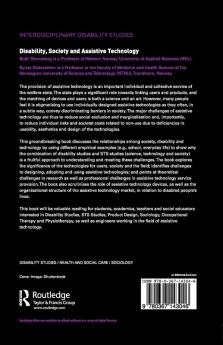
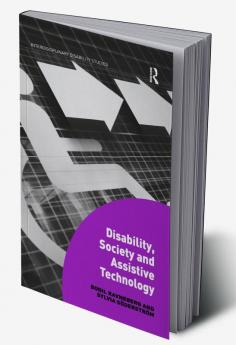
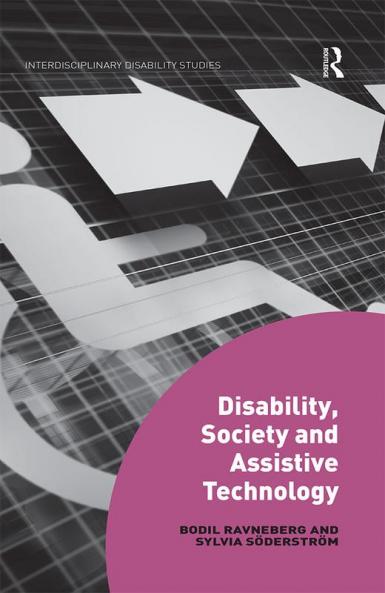
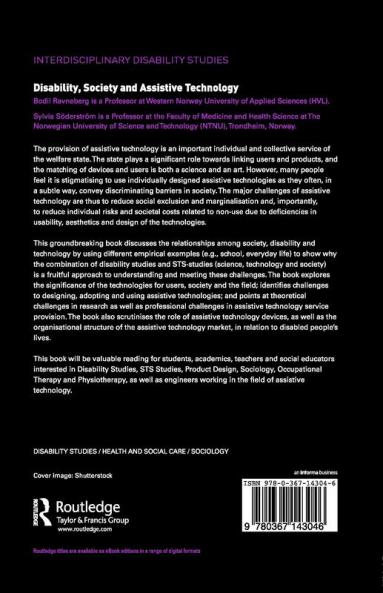
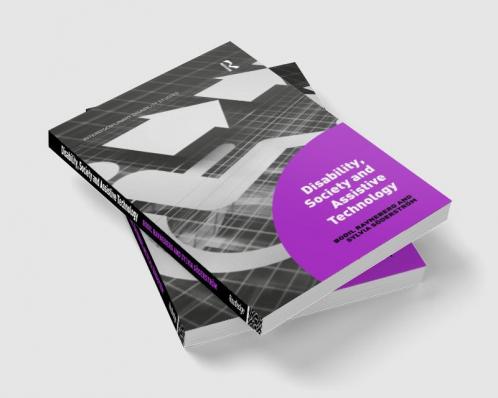
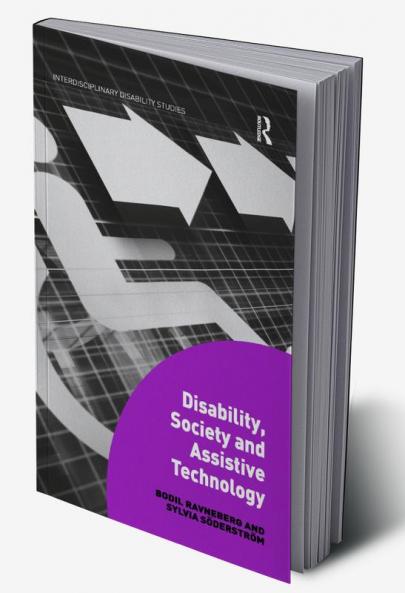
<p>The provision of assistive technology is an important individual and collective service of the welfare state. The state plays a significant role towards linking users and products and the matching of devices and users is both a science and an art. However many people feel it is stigmatising to use individually designed assistive technologies as they often in a subtle way convey discriminating barriers in society. The major challenges of assistive technology are thus to reduce social exclusion and marginalisation and importantly to reduce individual risks and societal costs related to non-use due to deficiencies in usability aesthetics and design of the technologies.</p><p>This groundbreaking book discusses the relationships among society disability and technology by using different empirical examples (e.g. school everyday life) to show why the combination of disability studies and STS-studies (science technology and society) is a fruitful approach to understanding and meeting these challenges. The book explores the significance of the technologies for users society and the field; identifies challenges to designing adopting and using assistive technologies; and points at theoretical challenges in research as well as professional challenges in assistive technology service provision. The book also scrutinises the role of assistive technology devices as well as the organisational structure of the assistive technology market in relation to disabled people’s lives.</p><p>This book will be valuable reading for students academics teachers and social educators interested in Disability Studies STS Studies Product Design Sociology Occupational Therapy and Physiotherapy as well as engineers working in the field of assistive technology.</p>
Piracy-free
Assured Quality
Secure Transactions
*COD & Shipping Charges may apply on certain items.
Review final details at checkout.
₹4342
₹5332
18% OFF
Paperback
Out Of Stock
All inclusive*
Details
ISBN 13
9780367143046
Publication Date
-23-01-2019
Pages
-120
Weight
-183 grams
Dimensions
-156x234x6.77 mm
