




This Book is Out of Stock!
by



Hardback
₹17183
(All inclusive*)
Delivery Options
*COD & Shipping Charges may apply on certain items.
Review final details at checkout.
Looking to place a bulk order? SUBMIT DETAILS

Piracy-free

Assured Quality

Secure Transactions
About The Book
Description
Author
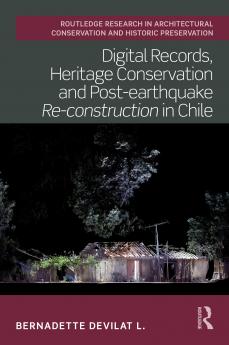
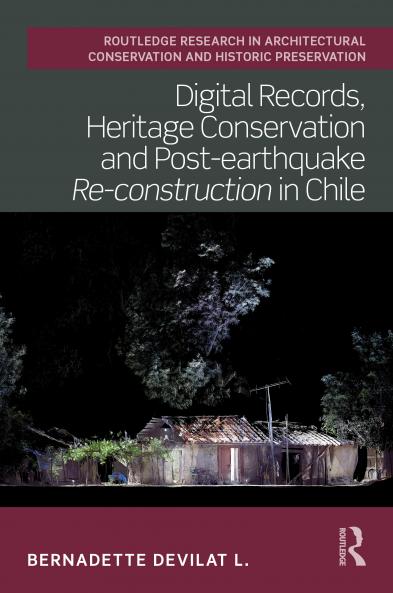
<p>The conservation of built heritage implies constant intervention. One form of intervention is reconstruction which in the context of disasters usually tries to bring buildings and places back to their previous state and is contested in heritage discourses. This book challenges reconstruction as a replica to physically preserve damaged built heritage by critically examining a context of constant change resulting from earthquakes – Chile – advocating for the digital record to be an analytical basis for design following the principles embedded in historical domestic architecture.</p><p>Beyond monumental heritage the focus is on the <i>living heritage</i> of the historical settlements of Tarapacá Zúñiga and Lolol built with local resources and sustainable techniques. The book proposes <i>re-construction </i>as an alternative methodology based on 3D-laser-scanning photography and questionnaires to analyse the as-built condition of earthquake-affected buildings consider risk mitigation and recognise adaptation to earthquakes and subsequent reconstructions. This is relevant for seismic-prone areas and built heritage at risk in general.</p><p>This book is aimed at researchers academics and practitioners in architectural conservation and is also a valuable resource for authorities and stakeholders involved in post-earthquake scenarios.</p>
Piracy-free
Assured Quality
Secure Transactions
*COD & Shipping Charges may apply on certain items.
Review final details at checkout.
₹17183
Out Of Stock
All inclusive*
Details
ISBN 13
9780367776237
Publication Date
-30-05-2025
Pages
-292
Weight
-510 grams
Dimensions
-156x234x17 mm
