




This Book is Out of Stock!
by
English



Paperback
₹5095
(All inclusive*)
Delivery Options
*COD & Shipping Charges may apply on certain items.
Review final details at checkout.
Looking to place a bulk order? SUBMIT DETAILS

Piracy-free

Assured Quality

Secure Transactions
About The Book
Description
Author
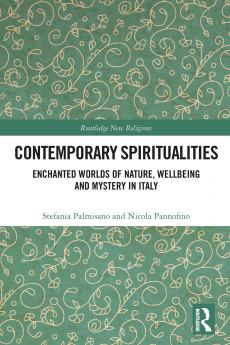
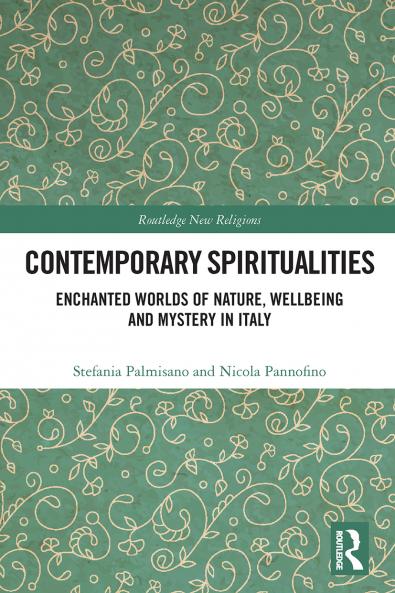
<p>Contemporary alternative spirituality as studied by sociologists is usually seen as a recent phenomenon dating from the 1960s and 1970s. However when viewed from a longer-term perspective this form of religious expression is actually seen to reintroduce concepts that recur throughout Western cultural history. This book argues therefore that spirituality in the 21st Century actually shares many of the same characteristics as Classical Mediaeval Renaissance and Modern spiritualities. It is neither entirely new nor is it clearly alternative to more established religions. </p><p>The book is divided into two parts. The first sets out the context in which contemporary alternative spirituality has formed charting its development as an academic term and a social phenomenon. The second part looks at how these two elements have developed in countries that are historically Catholic focussing on specific examples in contemporary Italy: spiritualities based on the sacralisation of nature; those concerned with health and wellbeing; and those which are fascinated by mystery.Catholic majority countries are particularly interesting in this instance as the Catholic Church has a unique cultural hegemony with which to compare alternative spiritual practices. It concludes that spirituality if framed in a longer historical perspective is a way of acting and seeing the world which was built and continues to be built upon complex relations with various contradictory sources of authority such as religion magic thinking secularism rationalism various spheres of lay culture.</p><p>This is a bold take on the spirituality milieu and as such will be of great interest to scholars of Religious Studies working on the sociology of religion contemporary spirituality and the rise of the spiritual but not religious. </p>
Piracy-free
Assured Quality
Secure Transactions
*COD & Shipping Charges may apply on certain items.
Review final details at checkout.
₹5095
Out Of Stock
All inclusive*
Details
ISBN 13
9780367618421
Publication Date
-30-05-2022
Pages
-180
Weight
-265 grams
Dimensions
-155.96x233.93x9.85 mm
