




This Book is Out of Stock!
by



Hardback
₹12764
₹17183
25.72% OFF
(All inclusive*)
Delivery Options
*COD & Shipping Charges may apply on certain items.
Review final details at checkout.
Looking to place a bulk order? SUBMIT DETAILS

Piracy-free

Assured Quality

Secure Transactions
About The Book
Description
Author
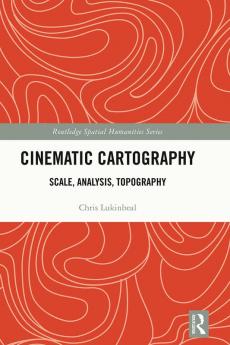
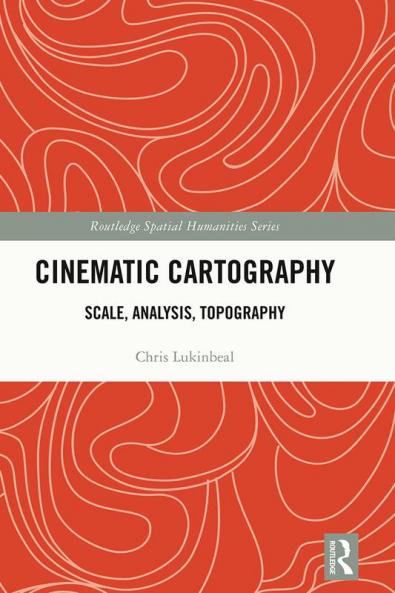
<p>This book uniquely bridges the conceptual gap between the history of geographic cartographic thought and film theory with the technological and cultural shifts that shaped the emergence of cameras and cinema.</p><p>Adorned with illustrative figures examples and case studies throughout the book explores how cinema lends itself to cartography and in turn how cartography relates to both the individual and collective experience of cinema. By using cartography to understand space and scale in film the book moves away from textual analysis or representation analysis to focus on the locational attribution of the sites where the cinematic landscape is being produced. It contends that viewers of moving images are active players in a complex network of cultural and mental geographies.</p><p>This volume is essential reading for students scholars and academics of cinematography human cultural and social geography cartography and media studies as well as those interested in these areas more generally.</p>
Piracy-free
Assured Quality
Secure Transactions
*COD & Shipping Charges may apply on certain items.
Review final details at checkout.
₹12764
₹17183
25% OFF
Hardback
Out Of Stock
All inclusive*
Details
ISBN 13
9781032428796
Publication Date
-20-08-2024
Pages
-192
Weight
-373 grams
Dimensions
-156x234x11.86 mm
