




This Book is Out of Stock!
by
English



Paperback
₹4025
₹4976
19.11% OFF
(All inclusive*)
Delivery Options
*COD & Shipping Charges may apply on certain items.
Review final details at checkout.
Looking to place a bulk order? SUBMIT DETAILS

Piracy-free

Assured Quality

Secure Transactions
About The Book
Description
Author
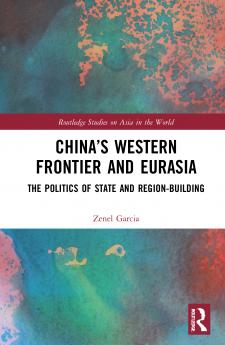
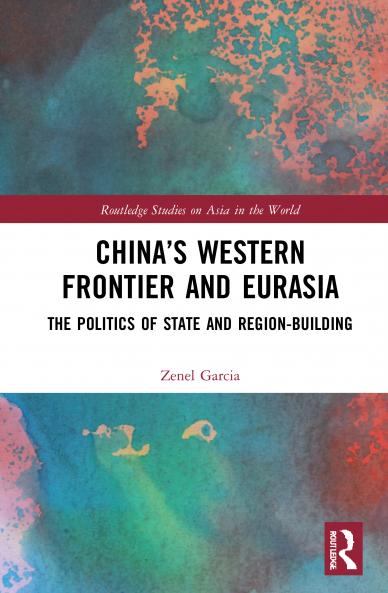
<p>China has emerged as a dominant power in Eurasian affairs that not only exercises significant political and economic power but increasingly ideational power too.</p><p>Since the founding of the People’s Republic Chinese Communist Party leaders have sought to increase state capacity and exercise more effective control over their western frontier through a series of state-building initiatives. Although these initiatives have always incorporated an international component the collapse of the USSR increasing globalization and the party’s professed concerns about terrorism separatism and extremism have led to a region-building project in Eurasia. Garcia traces how domestic elite-led narratives about security and development generate state-building initiatives and then region-building projects. He also assesses how region-building projects are promoted through narratives of the historicity of China’s engagement in Eurasia the promotion of norms of non-interference and appeals to mutual development. Finally he traces the construction of regions through formal and informal institutions as well as integrative infrastructure. By presenting three phases of Chinese domestic state-building and region-building from 1988-present Garcia shows how region-building projects have enabled China to increase state capacity control and development in its western frontier.</p><p>Recommended for scholars of China’s international relations and development policy.</p>
Piracy-free
Assured Quality
Secure Transactions
*COD & Shipping Charges may apply on certain items.
Review final details at checkout.
₹4025
₹4976
19% OFF
Paperback
Out Of Stock
All inclusive*
Details
ISBN 13
9780367694449
Publication Date
-31-05-2023
Pages
-228
Weight
-331 grams
Dimensions
-156x234x12.31 mm
