




This Book is Out of Stock!
by



Paperback
₹4976
(All inclusive*)
Delivery Options
*COD & Shipping Charges may apply on certain items.
Review final details at checkout.
Looking to place a bulk order? SUBMIT DETAILS

Piracy-free

Assured Quality

Secure Transactions
About The Book
Description
Author
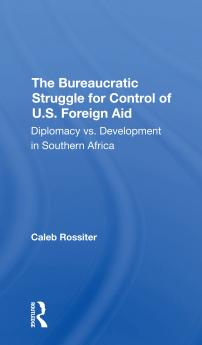
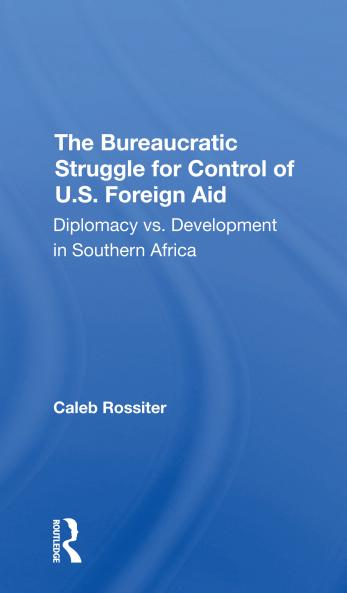
This study of executive-branch decision making explores the conflict between the diplomatic and developmental mandates of U.S. foreign-aid programs on two levels. First a given amount of programming funded for a country must be divided among various activities some of which are directed toward long-term development while others encourage short-term diplomatic cooperation with U.S. initiatives. Second individual federal agencies favor certain types of aid and are engaged in a constant struggle to preserve and expand their favored programs at the expense of others. Dr. Rossiter examines this conflict in a case study of the State Department's use of foreign-aid programs to induce the frontline states of southern Africa to cooperate with President Carter's initiative to resolve the civil war in Rhodesia/Zimbabwe. According to Dr. Rossiter the Agency for International Development (AID) lost control over foreign aid in the region to the State Department because the constituency for development objectives was relatively weak both inside and outside the U.S. government. He concludes by discussing the implications of AID's unsuccessful attempt to free itself from the State Department's control during the reorganization of the foreign-aid bureaucracy under President Carter.
Piracy-free
Assured Quality
Secure Transactions
*COD & Shipping Charges may apply on certain items.
Review final details at checkout.
₹4976
Out Of Stock
All inclusive*
Details
ISBN 13
9780367305932
Publication Date
-31-05-2021
Pages
-264
Weight
-350 grams
Dimensions
-144.02x232.92x14.16 mm
