




This Book is Out of Stock!
by



Paperback
₹5095
(All inclusive*)
Delivery Options
*COD & Shipping Charges may apply on certain items.
Review final details at checkout.
Looking to place a bulk order? SUBMIT DETAILS

Piracy-free

Assured Quality

Secure Transactions
About The Book
Description
Author
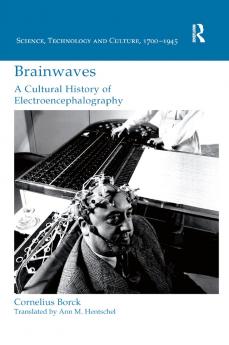
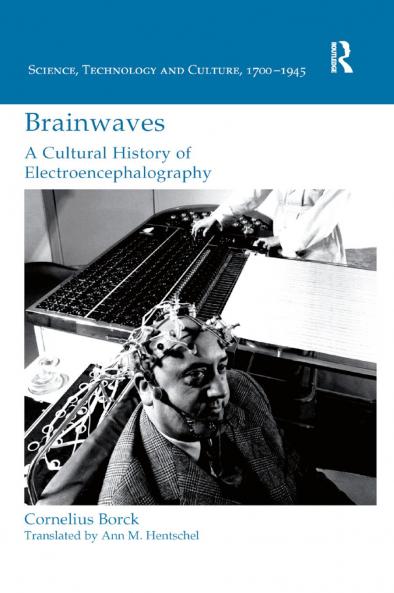
In the history of brain research the prospect of visualizing brain processes has continually awakened great expectations. In this study Cornelius Borck focuses on a recording technique developed by the German physiologist Hans Berger to register electric brain currents; a technique that was expected to allow the brain to write in its own language and which would reveal the way the brain worked. Borck traces the numerous contradictory interpretations of electroencephalography from Berger’s experiments and his publication of the first human EEG in 1929 to its international proliferation and consolidation as a clinical diagnostic method in the mid-twentieth century. Borck's thesis is that the language of the brain takes on specific contours depending on the local investigative cultures from whose conflicting views emerged a new scientific object: the electric brain.
Piracy-free
Assured Quality
Secure Transactions
*COD & Shipping Charges may apply on certain items.
Review final details at checkout.
₹5095
Out Of Stock
All inclusive*
Details
ISBN 13
9780367881498
Publication Date
-12-12-2019
Pages
-348
Weight
-495 grams
Dimensions
-155.96x233.93x18.48 mm
